Skip to content

Table of Contents
If you’ve been going back and forth between booking a HydraFacial or a chemical peel, you’re not alone. Both are popular choices for facial rejuvenation, but they work very differently and aren’t built for the same skin. By the end of this, you’ll know exactly which one makes sense for where your skin is right now.
What is the main difference between a HydraFacial and a chemical peel?
A HydraFacial deeply cleanses, extracts, and hydrates with no downtime, while a chemical peel uses controlled acids to resurface skin and requires a short recovery period.
What Each Treatment Actually Does
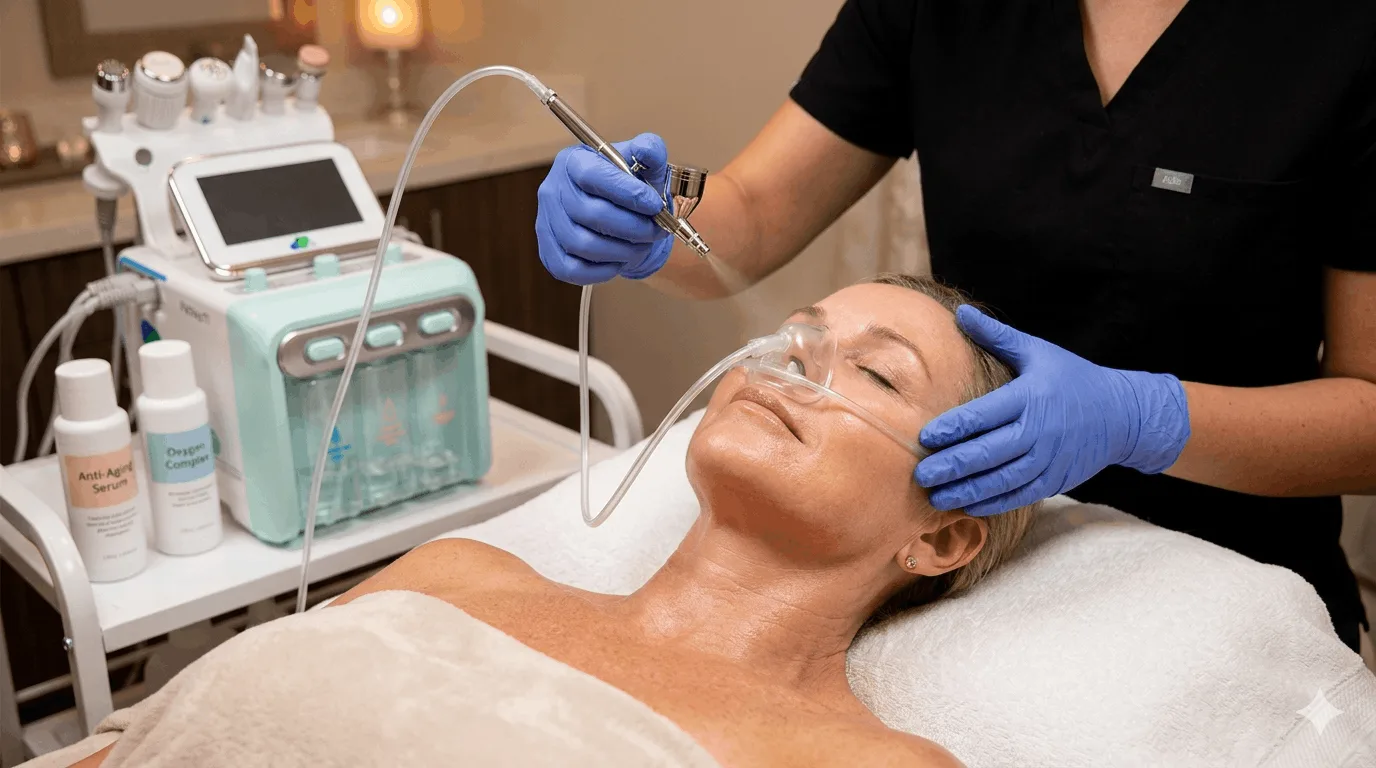
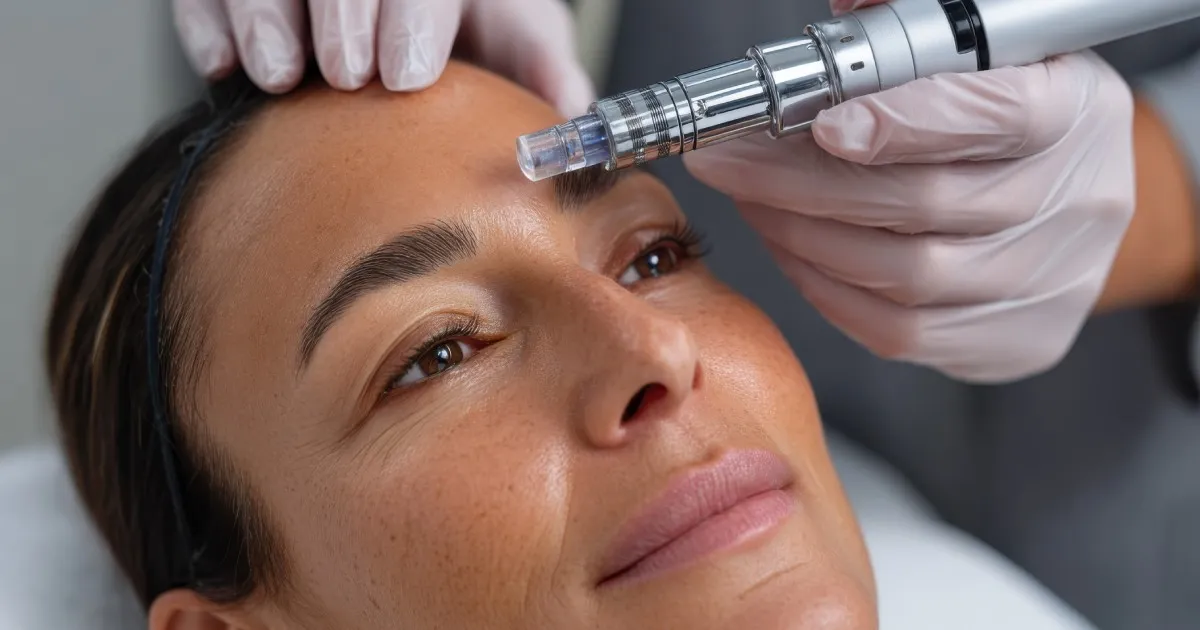
A HydraFacial is a multi-step treatment that cleanses, extracts, and floods the skin with nourishing serums in one continuous process. There’s no irritation, no peeling, and no recovery time needed. You walk out with an immediate glow, which is exactly why it’s one of the most requested treatments at SpaVela in Flower Mound. It’s designed for skin that’s gentle enough for sensitive skin yet effective at addressing congestion, dryness, uneven texture, and early signs of aging.
A chemical peel, on the other hand, applies a carefully selected acid solution to the skin to trigger controlled skin exfoliation and cell turnover. Depending on the depth, light, medium, or deep, it can address pigmentation, acne scarring, and sun damage more aggressively than a hydrating facial can. Results take a few days to reveal themselves as the skin sheds and renews.
It’s worth noting that microdermabrasion is a separate category entirely, it uses physical abrasion to buff the surface, which is distinct from both the vortex-infusion method of HydraFacial and the acid-based resurfacing of a peel.
Key Differences That Actually Drive Your Decision
Downtime is often the first thing people ask about, and honestly, it matters. Here’s how the two compare on the factors that most affect your booking decision:
Downtime
HydraFacial has none. You can book your appointment for Tuesday afternoon and still be at dinner that evening. A chemical peel involves a recovery window that varies by depth. A light peel may mean minor flaking for a couple of days, while a deeper peel can mean five to seven days of visible peeling and sensitivity.
Skin Type Compatibility
HydraFacial is safe for virtually all skin types, including sensitive and acne-prone skin. Chemical peels require more careful candidacy screening because not every skin type responds the same way to acid-based resurfacing.
Acne Treatment Approach
Both can help with acne treatment, but in different ways. HydraFacial works by clearing congestion, unclogging pores, and infusing balancing serums, ideal for active breakouts without the risk of irritation. A chemical peel targets deeper structural causes, such as stubborn scarring or chronic texture issues, and tends to suit those whose breakouts have left lasting marks rather than active blemishes.
Choose HydraFacial If Your Skin Needs This
HydraFacial is a strong fit if you want immediate, visible results without disrupting your routine. It’s especially well-suited for anyone dealing with dull, congested, dry, or acne-prone skin who wants a reliable monthly maintenance treatment. If you’re preparing for something specific, a wedding, a photoshoot, or an upcoming event in Flower Mound, HydraFacial is the smarter pre-event choice precisely because results are instant and there’s zero risk of post-treatment redness or peeling ruining your timeline. It’s also a great entry point if this is your first facial rejuvenation treatment and you want results you can see and feel without a recovery period.
Choose a Chemical Peel If Your Skin Needs This
A chemical peel earns its place when the goal is deeper correction. If you’re dealing with stubborn hyperpigmentation, sun damage, or acne scarring that a hydrating facial simply can’t reach, a peel can deliver more significant resurfacing over time. The key is being realistic about recovery; your skin will peel, and that process is part of how it works. It’s also worth having a provider assess your candidacy first, since skin tone, sensitivity, and current skin health all influence how your skin will respond to acid-based skin resurfacing.
What to Expect at SpaVela in Flower Mound
When you come in for a HydraFacial at SpaVela, the experience is personalized from the start. The skincare team takes time to understand your specific goals and tailors the treatment accordingly, whether that’s addressing congestion, targeting fine lines, or simply restoring hydration and glow. Before your appointment, you’ll want to avoid heavy exfoliation or peels for three to five days prior and arrive with clean, makeup-free skin. Afterward, skip makeup for at least 6 hours, keep your skin hydrated with gentle products, stay consistent with sunscreen use, and avoid excessive heat or sweating for the first 24 hours.
For anyone researching hydrafacial vs peel in Flower Mound, TX, SpaVela offers a calm, luxury spa environment where you’re never rushed into a treatment that isn’t right for your skin.
Ready to Find Your Best Treatment at SpaVela?
You don’t have to figure this out on your own. Unsure which exfoliation method fits your skin? Learn More today to choose your perfect clinical glowing treatment. The SpaVela team is here to walk you through your options and build a plan that actually fits your skin, your schedule, and your goals.